Preheating Play in Reflow Soldering For Pcb SMT Assembly
The main role that preheating plays in reflow soldering for pcb smt assembly is to allow the components to easily reach and achieve the thermal profile that is required to create acceptable solder joints. Preheating also expels the volatile solvents contained in the solder paste. In addition, it helps to prevent the oxidation of metal surfaces and other materials that are exposed to high temperatures. Oxidation is a major issue that impacts the performance and life span of electronic hardware.
It is caused by the rapid degradation of matter at a temperature higher than its melting point. It is often the result of high temperatures in the reflow oven, but it can be triggered by other factors such as a low activation flux, the presence of oxygen in the reflow process, and the type of solder paste used.
The reflow oven has several zones which are designed to slowly and gradually heat the board and the component placements. The first of these is the preheat zone, which is intended to introduce the board and components to a gradual increase in temperature. This is necessary because too sudden a temperature gradient can cause damage to the components.
Next is the soak zone which is a brief period of time during which the solder will be held at a temperature above its melting point (Time Above Liquid or TAL). This is a critical step in reflow because it allows the solder to melt without causing excessive stress on the components. The soak phase should last for 30 to 60 seconds – the exact amount of time will depend on the pcb layout and type of components on the board.
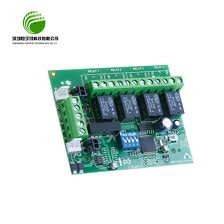
What Role Does Preheating Play in Reflow Soldering For Pcb SMT Assembly?
Once the solder has melted, it will be transferred to all of the connections on the board, making them solid and forming an electrical connection. The final step is cooling, which will allow the solder to cool down and harden. Once it has cooled down, it will be ready for inspection and testing. The reflow process is best suited for surface mount technology (SMT), but it can be used to solder through-hole parts (THT or DIP).
When preparing the PCB for the reflow process, the manufacturer must ensure that the printed circuit boards meet the quality requirements. This is because the quality of the PCB, the solder, and the component placements have a direct impact on the reflow process. In order to achieve the required results, the manufacturer must carefully choose a reflow oven and use precise hot gas nozzles to deliver the correct energy to the components. In addition, the manufacturer must consider the design of the circuit board, including the size and position of through-hole components, to avoid thermal damage.
It is a flat board, usually made of fiberglass or other insulating materials, with conductive pathways etched or printed on its surface. A mixture of powdered solder and flux, solder paste is applied to the PCB pads where the SMDs will be placed. It serves as an adhesive to hold the components in place during the assembly process and provides the electrical connection once reflowed.