
unjust dismissal apply to constructive dismissal situations
Can unjust dismissal apply to constructive dismissal situations? Constructive dismissal occurs when an employer makes a fundamental change to an employee’s job without their consent, such as reducing pay, changing job responsibilities drastically, or creating a hostile work environment. While the employee may technically resign, the law can treat the situation as if the employer effectively terminated the employment. Many employees wonder whether they have legal recourse under unjust dismissal provisions when faced with constructive dismissal. In Canada, this question is particularly relevant because the Unjust dismissal Canada Labour Code provides specific protections for federally regulated employees against termination without just cause. Although constructive dismissal is not always straightforward, the principles underlying unjust dismissal can sometimes extend to such situations, giving employees a potential avenue for redress.
In practice, constructive dismissal can be complex because it requires the employee to demonstrate that the employer’s actions were significant enough to justify resignation. Minor changes or ordinary management decisions typically do not qualify. For unjust dismissal claims, the emphasis is on whether the employer had just cause for termination. Therefore, if an employee resigns due to a serious breach of contract or a toxic work environment created by the employer, it may be argued that the resignation is effectively a termination. The Unjust dismissal Canada Labour Code can then become relevant because it allows employees to seek remedies such as reinstatement or compensation when they are terminated without proper justification, even if the termination is not explicitly stated by the employer.
A key consideration is the timing and documentation of the events leading to resignation. Employees who believe they have been constructively dismissed must document changes in their work conditions, communications from management, and any instances of unfair treatment. This evidence can be crucial when pursuing a claim under unjust dismissal provisions. The law often examines whether the employer’s conduct fundamentally undermined the employment relationship, which is the core argument in constructive dismissal cases. When successful, the employee may be entitled to remedies similar to those provided in explicit unjust dismissal cases.
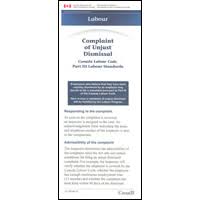
Can unjust dismissal apply to constructive dismissal situations?
It is also important to note that constructive dismissal cases often involve a nuanced interpretation of employment contracts. Courts and tribunals may analyze whether the employer acted in good faith or violated implied terms of employment. If an employer unilaterally changes key aspects of an employee’s job, and the employee resigns as a result, this can form the basis of a constructive dismissal claim. Linking this to unjust dismissal, the Unjust dismissal Canada Labour Code provides a legal framework to ensure employees are not left without recourse when their employment is effectively terminated through indirect means. This intersection highlights that unjust dismissal protections are not limited to explicit firings but can encompass broader scenarios where employer actions force employees to leave.
In conclusion, unjust dismissal can indeed apply to constructive dismissal situations, particularly in federally regulated workplaces in Canada. Employees facing significant unilateral changes to their employment conditions should consider whether these changes constitute constructive dismissal and explore their rights under the Unjust dismissal Canada Labour Code. Understanding the overlap between these legal concepts is crucial for employees seeking fair treatment and potential remedies when they are forced out of their jobs under circumstances that are legally equivalent to termination. By recognizing that unjust dismissal provisions may protect those experiencing constructive dismissal, employees can better assert their rights and hold employers accountable for actions that undermine the employment relationship.

