Copper Foil in Flex PCB Production
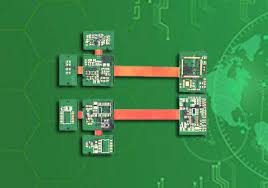
Copper foil serves as the conductive layer of flex PCBs, providing electrical connectivity and signal transmission within the circuit board. It’s the key to the high performance and reliability of flex circuit boards, especially in applications like 5G networks and telecommunications. The copper foil’s low resistance minimizes signal loss and distortion, ensuring efficient communication and high-speed performance. However, there are many different types of copper foil and thickness specifications, making it important to choose the right one for your flex circuit needs.
There are two basic kinds of copper foil used in flex pcb production: rolled annealed (RA) and electrodeposited (ED). RA copper is melted and cast into a thick slab, then repeatedly rolled between large rollers to reduce its thickness. After that, it undergoes an annealing process where it is heated to a specific temperature and then cooled slowly. This process recrystallizes the copper, which increases its ductility and flexibility. It’s then suitable for use in flex PCBs that will be subject to repeated bending and flexing.
In addition, RA copper is more affordable than ED copper. However, a lot of flex PCB designers prefer to work with ED copper because it’s more flexible and has superior conductivity. The higher copper content also makes it easier to generate traces on the foil, ensuring that your flex circuits are as reliable as possible.
The Role of Copper Foil in Flex PCB Production
Whichever type of copper you choose, it’s important to consider the surface roughness of the foil as well. The smoother the copper, the less sensitive your flex circuits will be to surface abrasions. Fortunately, most material vendors have done a good job of publishing information on the type and roughness of the copper foil they offer alongside specific laminate types and material values.
Regardless of the type of copper you choose, it’s crucial to fully communicate with your fab partner in the PCB design phase to settle on all the details, including which kind of copper and FCCL you want in your flex PCBs. Choosing the right material can save you time and money in the long run.
In addition to deciding on which type of FCCL, you should also choose the right PI/PET and adhesive for your flex PCBs. Luckily, you can find all of these components in one place when you choose a one-stop flex PCB fabricator like PCBONLINE. We offer a wide variety of custom PCB fabrication services, from the multilayer flex PCB laminates and copper foil to the finished flex circuit assembly. We also offer free samples of our materials, including RA and ED copper, so you can test them in your own prototypes before placing a larger order. Contact us today to get started!
Flexible Printed Circuit Boards (Flex PCBs) are one of the most innovative and rapidly advancing technologies in the electronics manufacturing industry. They have gained popularity due to their adaptability, high performance, and versatile applications in a wide range of industries, from consumer electronics to medical devices. In this article, we will explore the production process of Flex PCBs, the various technologies involved, and their diverse applications.