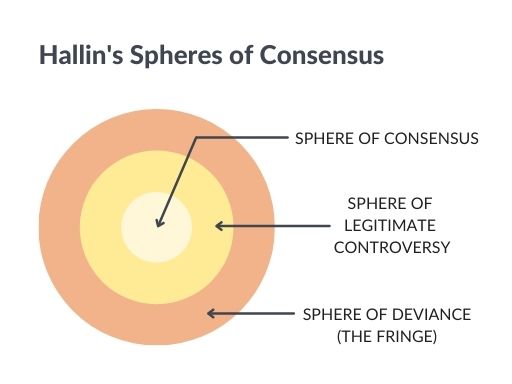
by TeachThought Staff Do not limit a child to your own learning, for they were born for another time. R Tagore While each generation is unique, possessing its own challenges, opportunities, and cultural contexts, the methods of teaching and the knowledge passed down often reflect the values and norms of…
-
-
Language is a wonderful thing. It is the common thread that binds entire societies, allowing ease of communication and understanding. Finding yourself in a situation where you are unable to adequately communicate, on the other hand, is highly frustrating. A language barrier can stunt relationships that could have grown stronger…
-
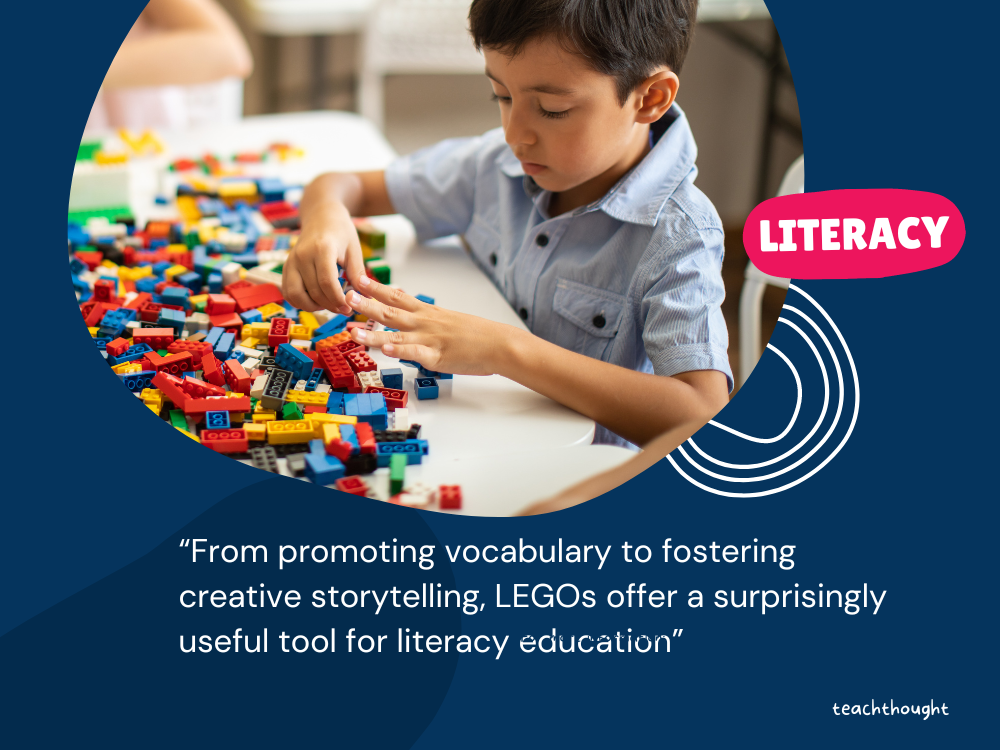
by TeachThought Staff In the classroom, promoting literacy is a practice that extends far beyond the mere ability to read and write. Literacy is part of broad spectrum of competencies, including language acquisition, comprehension, critical thinking, and creative expression. Within this expansive understanding of literacy, we find the value of…
-
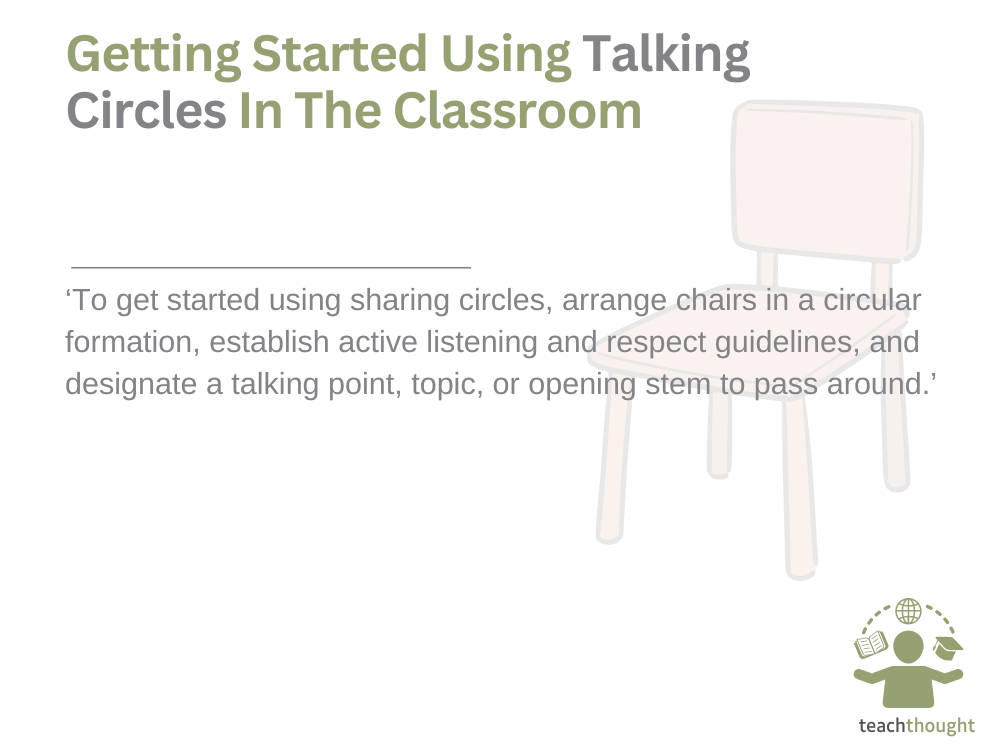
Talking Circles are a traditional discussion and decision-making format originating in First Nations cultures. In this format, individuals sit in a circle, signifying equality, and take turns speaking while holding a ceremonial object. This allows for respectful and inclusive conversation, as everyone can share their thoughts and feelings in a…
-
Image Source pexels.com by TeachThought Staff Online learning is rapidly emerging as a pivotal force in the evolution of education. Its growth is propelled by technological advancements and a shifting global landscape that values accessibility and flexibility in learning. This form of education transcends geographical barriers, allowing anyone with internet…
-
by TeachThought Staff Whether we like it or not, there is no denying that artificial intelligence (AI) is changing the world in many ways. Education is one of the areas affected by it. How can teachers use AI and guide their students through the challenging world of new technologies? Although…
-
by Terrell Heick More than once, I’ve seen Bloom’s Taxonomy called a ‘fad.’ This can be lumped in with Charlotte Danielson’s DOK framework and Learning Styles, eLearning, Blended Learning, MOOCs, Common Core academic standards, and a few dozen other practices, ideas, and programs–each as a fad. Something that, for a…
-
Image Source pixabay by TeachThought Staff Educational leadership is an expansive field, rich with opportunities for those passionate about shaping the future of education. It encompasses a range of roles that go beyond traditional teaching, delving into the realms of administration, policy-making, and program development. These careers are pivotal in…
-
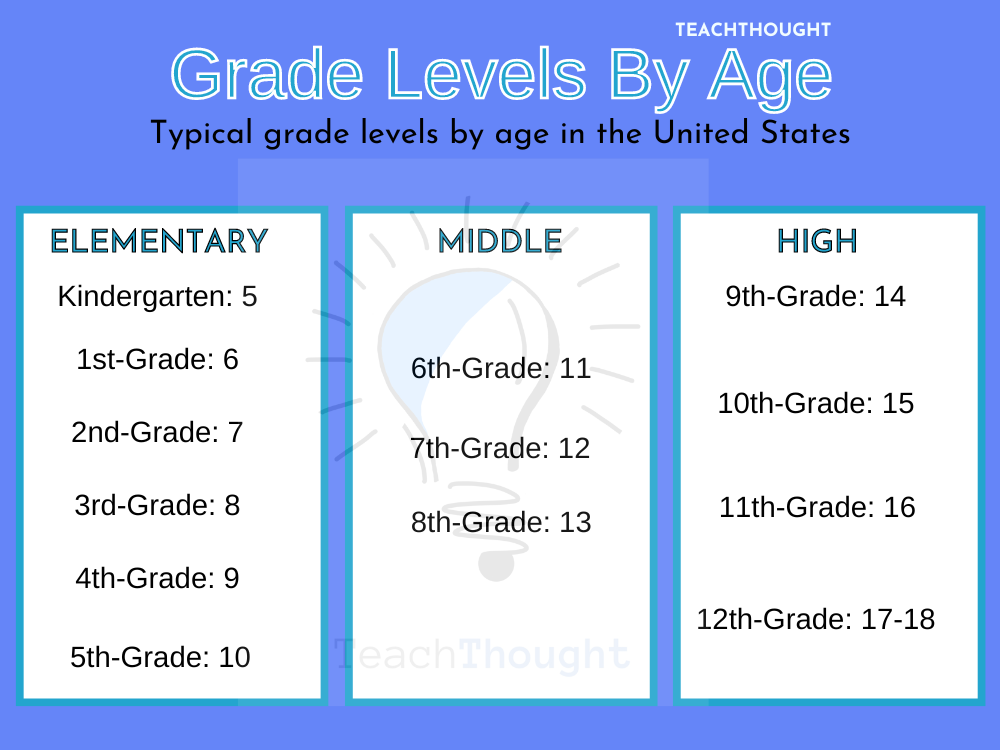
by TeachThought Staff For a growing child, grade level seems to have very little use. For a child functioning as or in the role of a ‘student,’ it can be vaguely useful to schools to place students and stratify them in what is expected to be similar ability levels, ages,…
-
Learning theory isn’t generally high on the list of practicing teachers. For starters, teachers are busy poring over the classic–or emerging–learning theories that can inform their teaching on a day-to-day basis. Secondly, much of K-12 pedagogy in the United States is subject to the constraints of academic standards, district pacing…
-
contributed by James Brazen Imagine: A state-of-the-art educational path that leads to a fulfilling career in nursing, streamlined through the power of the internet. This is what an online accelerated BSN program embodies. The allure of diving into the fundamentals of nursing and emerging ready to provide top-notch patient care,…
-
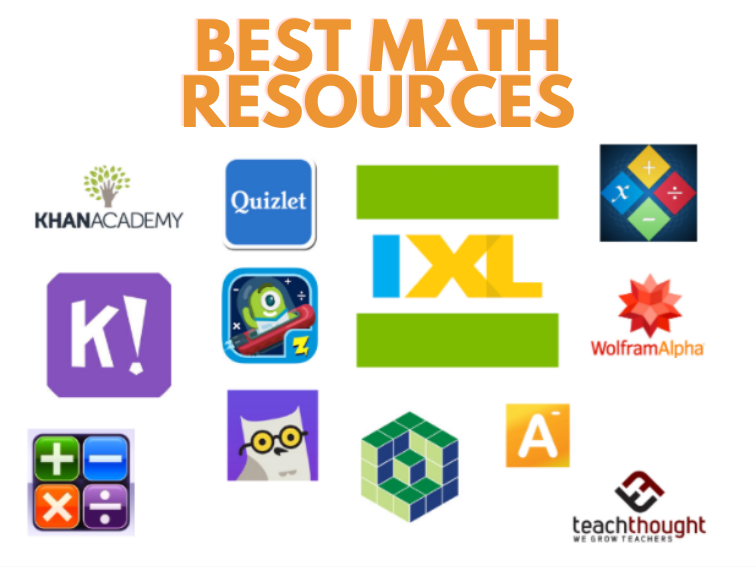
by TeachThought Staff What are the best math resources? Because of the skill-based nature of mathematics in general, math resources pair especially well with digital tools like apps and websites. On these kinds of platforms, accounts can be created, progress can be visualized, mastery can be documented, complexity can be…
-
by TeachThought Staff What did John Dewey believe about education? What were his views on experiential and interactive learning and their role in teaching and learning? As always, there’s a lot to understand. John Dewey (1859–1952) developed extraordinarily influential educational and social theories that had a lasting influence on psychology,…
-
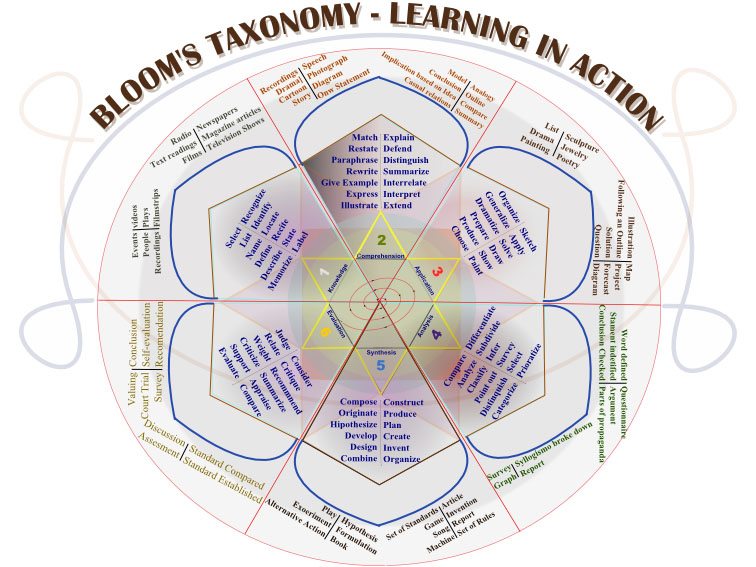
6.2k Views FacebookTwitterSubscribe Bloom’s Taxonomy was a remarkable attempt to create a system of learning that focuses on how people learn and organize content around those natural aptitudes. Created by Benjamin Bloom in 1956, Bloom’s Taxonomy offered a method and structure to think about thinking. Below, we’ve collected a list of…
-
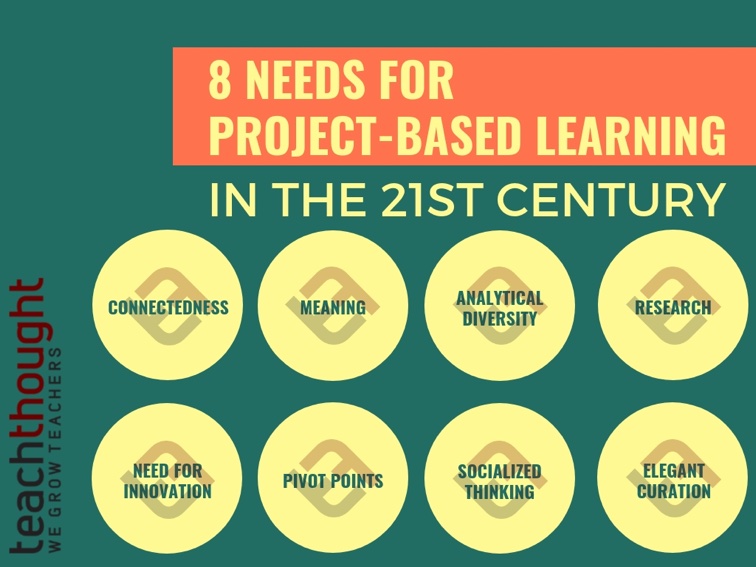
by Terry Heick We recently offered a definition of project-based learning and looked at keys to designing Project-Based Learning. We also have looked at the difference between ‘doing projects’ and project-based learning, various project-based learning resources, project-based learning apps, and offered ways for using an iPad in Project-Based Learning. And have…
-
by Terry Heick So much talk about empathy in education recently. Why? What’s the big idea? The role of empathy in learning has to do with the flow of both information and creativity. A dialogic interaction with the world around us requires us to understand ourselves by understanding the needs…
-
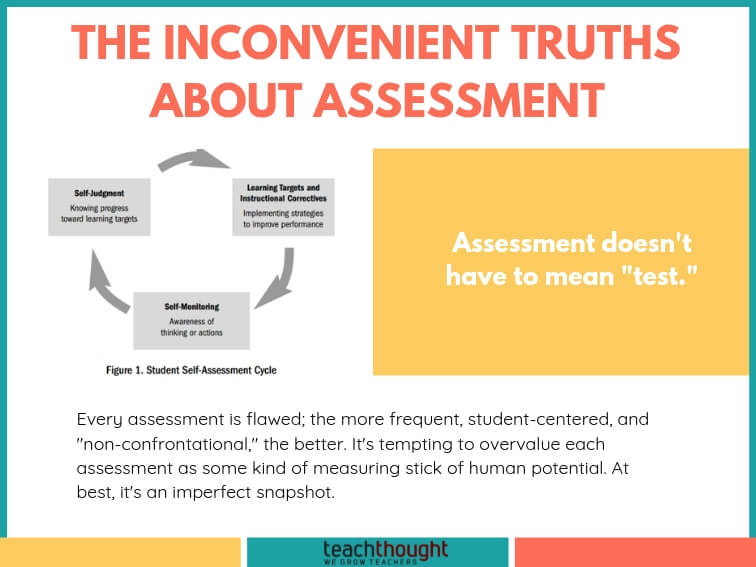
by Terry Heick I. In terms of pedagogy, the primary purpose of an assessment is to provide data to revise planned instruction. It should provide an obvious answer to the question, “So? So what? What now?“ II. It’s an extraordinary amount of work to design precise and personalized assessments that…
-
Is French Common in Dubai? contributed by Lindsey Mayfield In Dubai, a cosmopolitan city known for its cultural diversity and economic dynamism, the French language has a distinct but relatively modest presence, overshadowed by the predominance of Arabic and English. The city’s linguistic landscape is primarily shaped by its status…
-
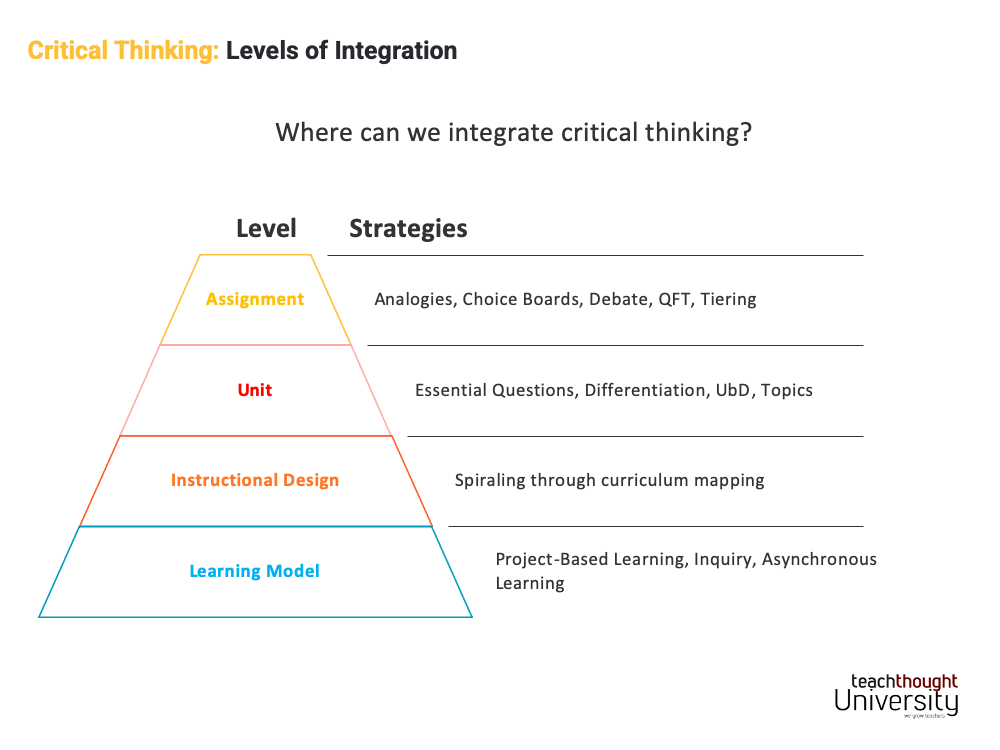
A Basic Framework For Teaching Critical Thinking In School by Terrell Heick In What Does Critical Thinking Mean?, we offered that ‘(c)ritical thinking is the suspension of judgment while identifying biases and underlying assumptions to draw accurate conclusions.’ Of course, there are different definitions of critical thinking. The American Philosophical…
-
by TeachThought Staff It’s difficult to remember every key detail during an interview without writing it down—mainly if you’re conducting many interviews quickly. Which candidate had that impressive portfolio? What did that customer say about our product launch? That’s why if you’re not already transcribing interviews, you should be. It…
-
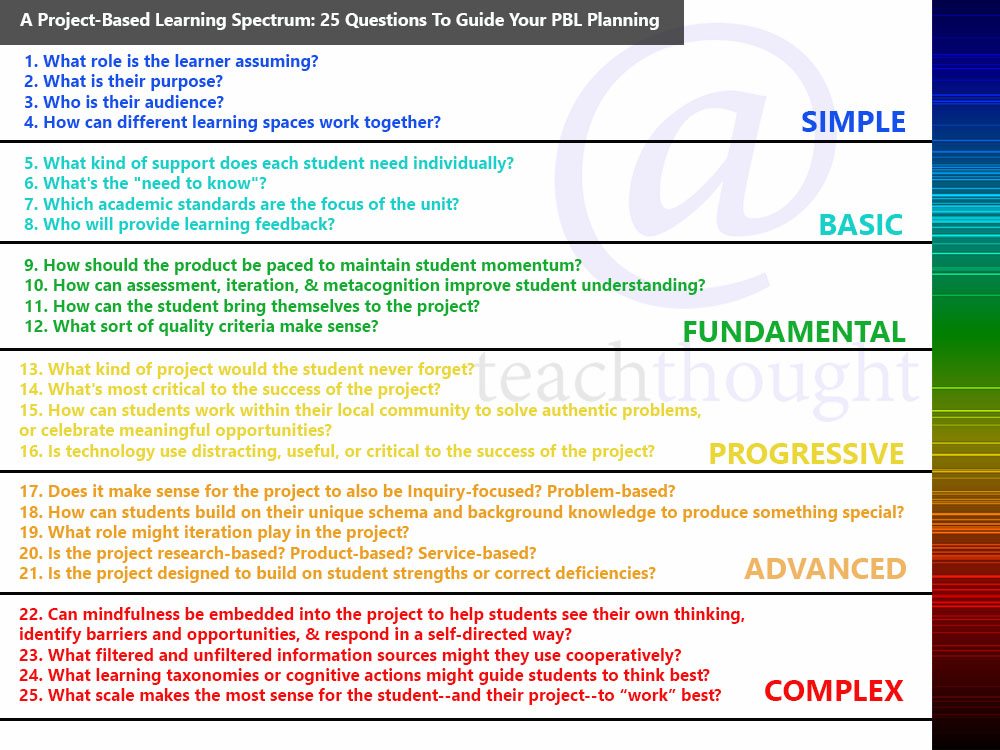
by Terry Heick I’ve been thinking of the kinds of questions I consider when planning a project–or planning a unit when students plan a project on their own. There’s a lot to consider here–so much so that 12 isn’t even close to enough, but that’s because I tend to over-complicate…
-
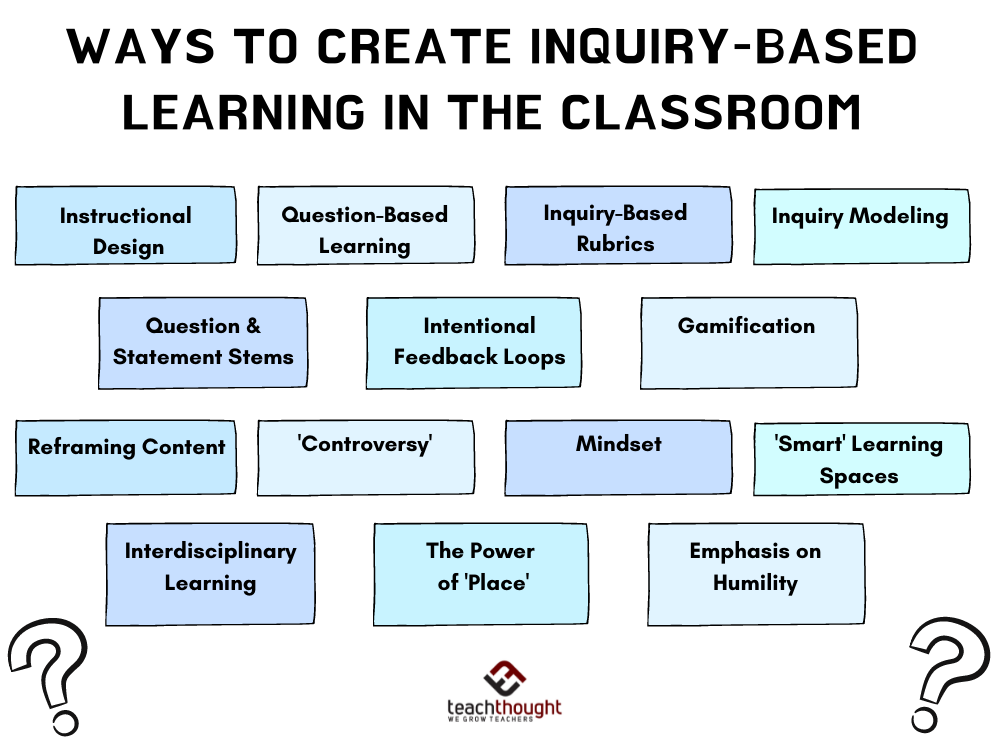
by TeachThought Staff Inquiry-based learning is an approach to learning guided by students through questions, research, and/or curiosity. An inquiry-based learning strategy is simply a way to facilitate inquiry during the learning process. It might be useful to think of ways to suppress inquiry to emphasize the strategies that might…
-
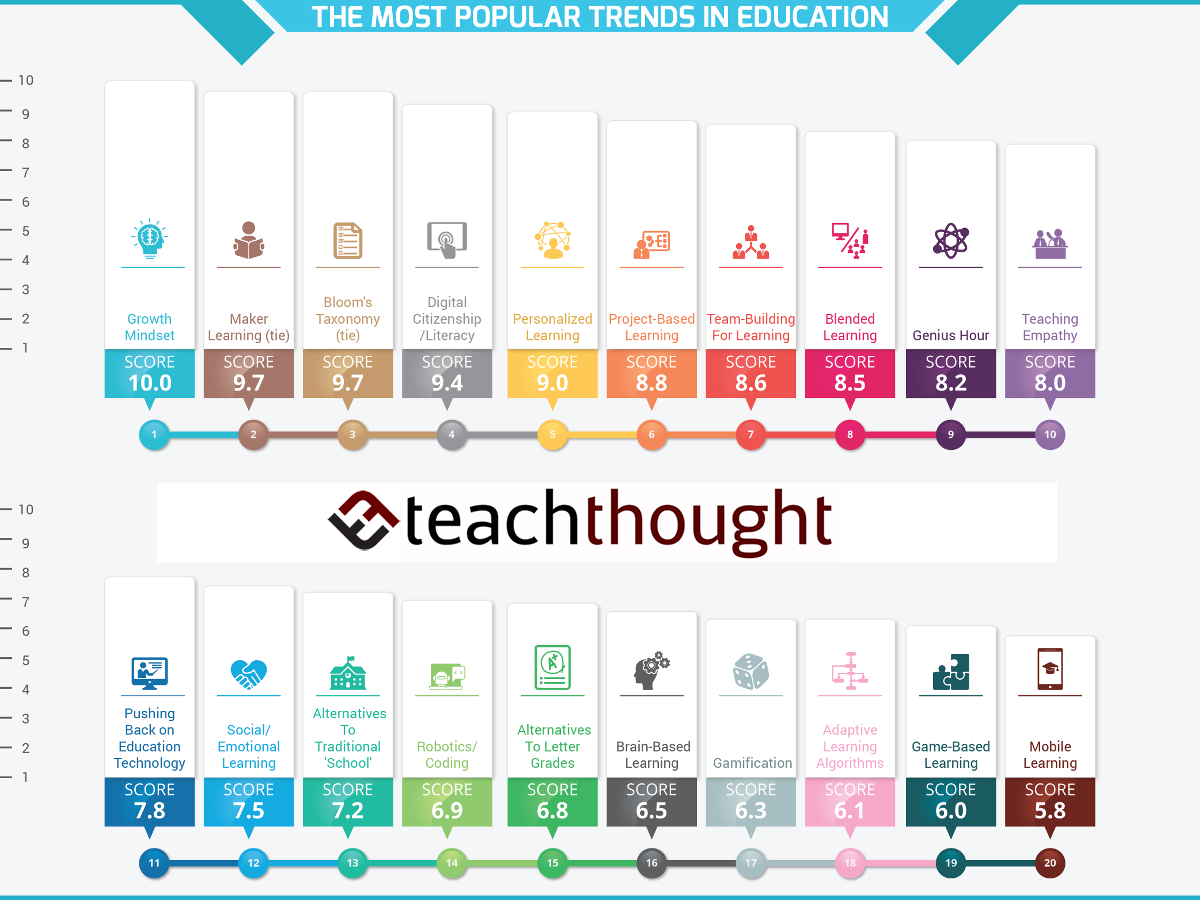
Note: The items below have been changed but the graphic itself still needs updating : ) What about the most popular trends in education heading into 2024 specifically? Well, that’s a tricky question. Deciding what’s ‘trending’ is an important part of digital publishing and social media interaction. Facebook articles, Google…
-
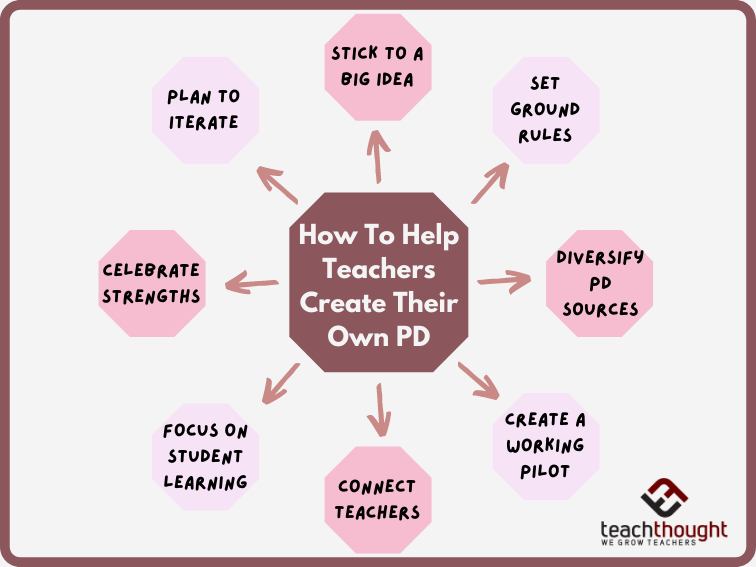
by Terrell Heick Traditional teacher professional development depends on external training handed down to teachers after having identified their weaknesses as a professional. If you’re not so great at teaching writing, or if assessment is becoming a bigger focus in your school or district, you fill out a growth plan…
-
by Terry Heick There are a variety of questions that guide my work at TeachThought, each with their own available inferences and underlying assumptions, among them: What should a person know? What should a person do with what they know? What are people for? ’Where’ are people (think metaphor)? What…
-
by TeachThought Staff CapCut Creative Suite is a versatile and comprehensive solution, equipped with a wide array of tools to aid creators in crafting exceptional videos and images. CapCut goes beyond conventional video editing by offering a full-fledged package that encompasses not only video and an online photo editor but…
-
Using Classroom Coding Lessons With Interactive Platforms by TeachThought Staff In today’s rapidly evolving educational landscape, integrating technology and pedagogy has enabled new learning approaches, including gamification of learning. Imagine a world where traditional classrooms give way to immersive educational quests, where students earn badges of accomplishment, collaborate with peers…
-
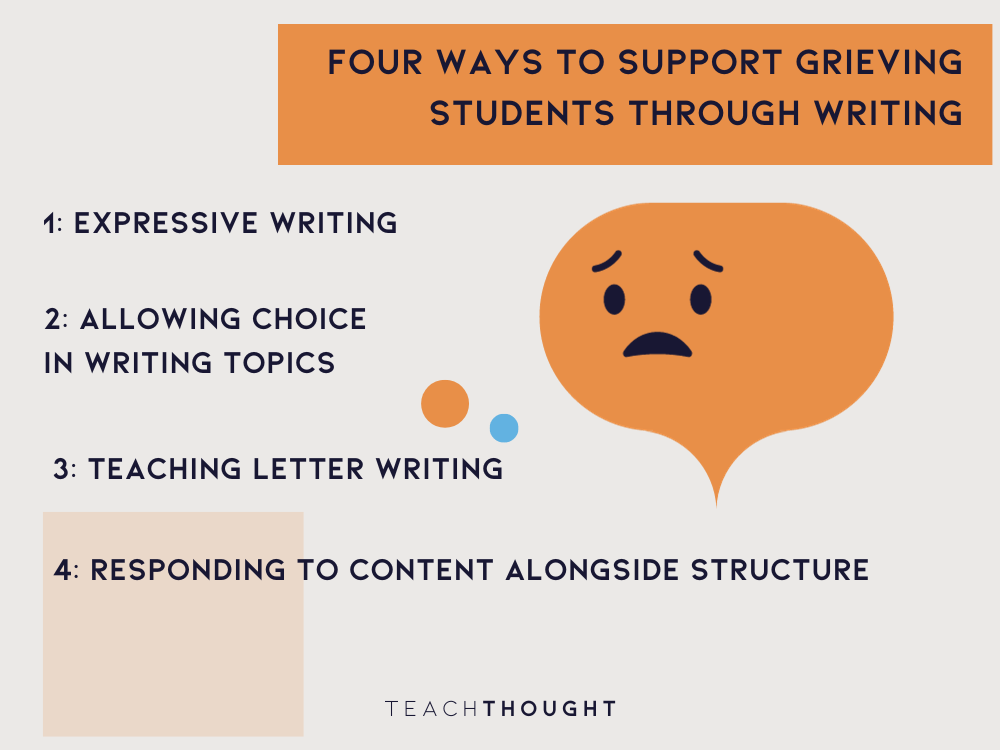
Four Ways to Support Grieving Students Through Writing contributed by Brittany R. Collins Approximately 700,000 young people in the United States lost a parent during 2020-21, with the COVID-19 pandemic boosting bereavement rates—not only due to the virus, but to the increased violence, substance use, and requisite illness that it…
-
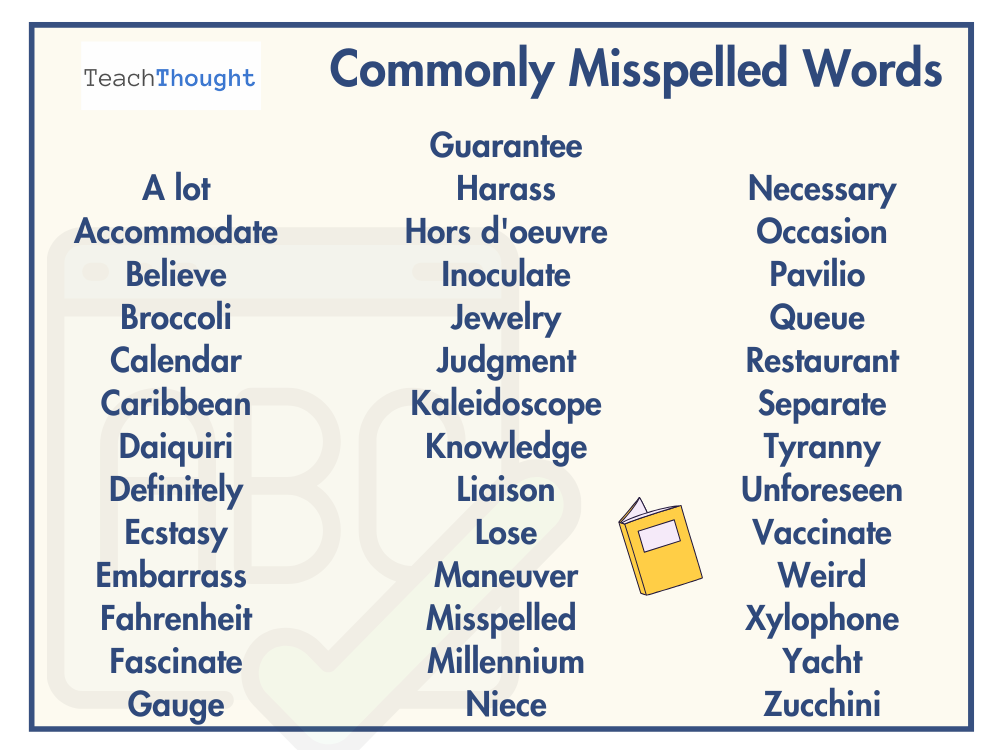
Common misspellings often arise due to a variety of linguistic and cognitive factors. There are, of course, a range of reasons for this. Like other languages, the English language suffers from/has irregularities and exceptions to its spelling rules. Having borrowed words from various sources, the result is nearly countless spelling…
-
by TeachThought Staff Ed note: The following links are affiliate links. You can read more about our affiliate policy here, but the general premise is that we receive a very small % of revenue from anything you buy via clicking. If you want to make sure Amazon, for example, receives…
-
Resources For The Parents And Teachers Of Gifted And Talented Students by TeachThought Staff National Organizations and Advocacy National Association for Gifted Children (NAGC): Renowned organization offering resources, research, and advocacy for gifted education. They have a website with tip sheets, articles, and information on local chapters. Supporting Emotional Needs of…
-
by TeachThought Staff For a growing child, grade level seems to have very little use. For a child functioning as or in the role of a ‘student,’ it can be vaguely useful to schools to place students and stratify them in what is expected to be similar ability levels, ages,…