
custom pcb be used in automotive applications
Custom PCBs are integral components in automotive applications, offering a range of benefits that contribute to improved performance, safety, and functionality. While standard off-the-shelf PCBs have their place in automotive electronics, custom PCBs provide automotive manufacturers with the flexibility to tailor designs to specific requirements, optimize performance, and integrate advanced features and technologies.
One of the primary advantages of using custom PCBs in automotive applications is the ability to optimize the design for the harsh operating conditions typical in automotive environments. Vehicles are subjected to extreme temperatures, vibrations, moisture, and electromagnetic interference (EMI) that can impact the performance and reliability of electronic components. Custom PCBs allow designers to select materials, coatings, and layout configurations that enhance durability, thermal management, and EMI shielding, ensuring reliable operation under challenging conditions.
Moreover, custom PCBs enable automotive manufacturers to meet the stringent safety and regulatory requirements governing automotive electronics. Safety-critical systems such as airbag control modules, anti-lock braking systems (ABS), and electronic stability control (ESC) require highly reliable and fail-safe PCB designs to ensure the safety of vehicle occupants. custom pcb can incorporate redundant circuitry, self-diagnostic features, and fault-tolerant designs to enhance reliability and meet industry standards such as ISO 26262 for functional safety.
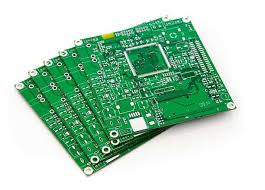
Can custom pcb be used in automotive applications?
In addition to safety considerations, custom PCBs offer opportunities for innovation and differentiation in automotive electronics. As vehicles become increasingly connected, electrified, and autonomous, the demand for advanced features such as infotainment systems, driver assistance systems, and telematics continues to grow. Custom PCBs enable automotive manufacturers to integrate these features seamlessly into vehicle designs, enhancing the driving experience, comfort, and convenience for consumers.
Furthermore, custom PCBs play a crucial role in optimizing performance and efficiency in automotive powertrain and control systems. Hybrid and electric vehicles (EVs) rely on sophisticated power electronics and battery management systems to maximize energy efficiency, range, and performance. Custom PCBs can be tailored to minimize power losses, optimize thermal management, and enhance electromagnetic compatibility (EMC), enabling more efficient and reliable operation of EV drivetrains and auxiliary systems.
Another advantage of using custom PCBs in automotive applications is the ability to optimize space utilization and integration of components. Vehicles have limited space for electronic systems, especially in compact cars and electric vehicles where every millimeter counts. Custom PCBs allow designers to minimize board size, reduce component footprint, and optimize routing to maximize space efficiency and streamline assembly, contributing to lighter weight, improved packaging, and enhanced vehicle performance.
Additionally, custom PCBs facilitate rapid prototyping and iterative design cycles, allowing automotive manufacturers to accelerate product development and time-to-market. By leveraging advanced design tools, simulation techniques, and rapid prototyping technologies, engineers can quickly iterate on PCB designs, test new features and functionalities, and incorporate feedback from real-world testing to optimize performance and reliability.
In conclusion, custom PCBs are well-suited for use in automotive applications due to their ability to optimize performance, enhance safety, enable innovation, and streamline product development. By tailoring PCB designs to specific automotive requirements, manufacturers can achieve greater reliability, durability, and efficiency in vehicle electronics, leading to improved vehicle performance, safety, and customer satisfaction. As automotive technology continues to evolve, custom PCBs will play an increasingly important role in shaping the future of automotive electronics.