Abolishing Archaic Laws
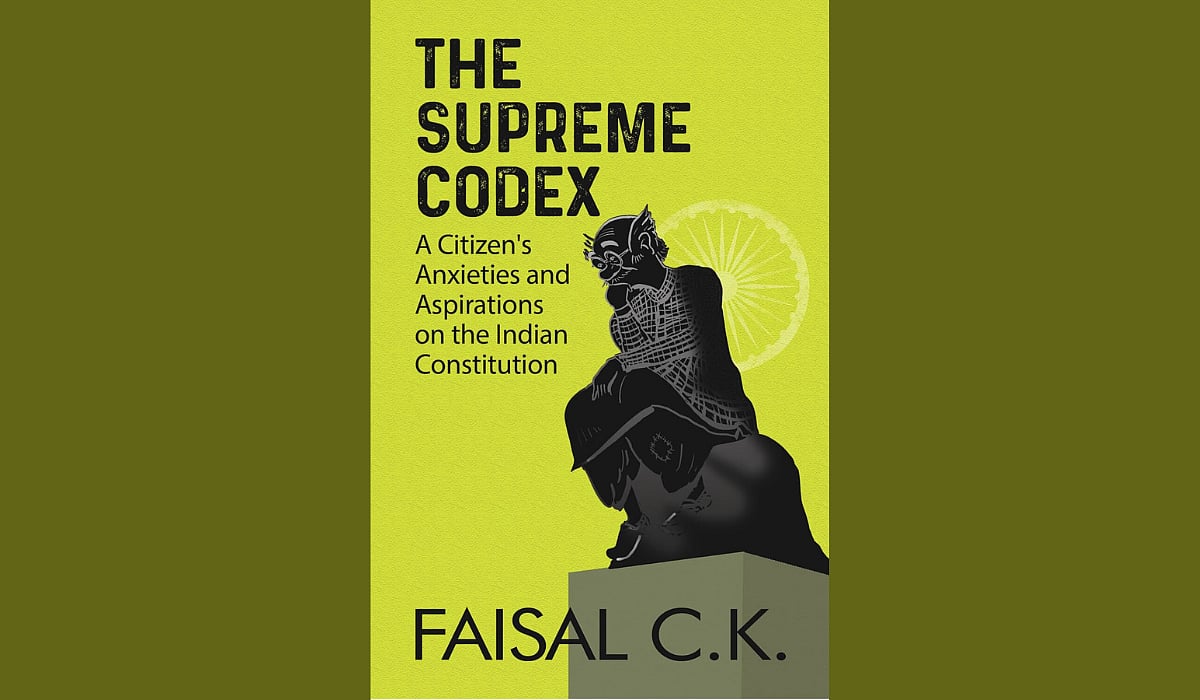
Faisal, a civil servant and public intellectual, calls for scrapping colonial-era laws that stifle democracy. He labels sedition a “living fossil,” a draconian tool that chills free speech—the lifeblood of democracy. Similarly, contempt of court is a “dinosaur,” often weaponized to silence truth while falsehoods escape as mere “perjury.” Judges, he argues, should respond to criticism with “silence and duty,” not legal intimidation.On the death penalty, Faisal makes a moral and pragmatic case for abolition. He dismisses blasphemy laws as antiquated, quoting the Latin maxim: Let the gods defend their own honor.
Uniform Civil Code, Federalism, and the Battle Over Secularism
While Faisal opposes patriarchy and majoritarianism, his stance on the Uniform Civil Code (UCC) draws nuanced criticism. The review notes his failure to explicitly guard against a UCC steeped in majoritarian Hindu values, which could undermine religious pluralism.
He also critiques “caste-based” parties pejoratively, overlooking their role in social justice movements. His call to remove “socialist” from the Constitution’s Preamble ignores the enduring relevance of economic equity—a goal Prof. K.T. Shah (an unsung Constituent Assembly hero) fought to enshrine.
In federalism debates, Faisal warns against “one nation, one election”, arguing it erodes India’s pluralistic democracy. He defends linguistic diversity, resisting Hindi imposition, and invokes Ambedkar’s critique of caste hierarchy in response to the Kerala High Court’s sanctification of caste-based priesthood.