flex circuit’s electrical insulation
A flex circuit’s electrical insulation is crucial to its reliability and durability. The insulating layers prevent interference and short circuits. The thickness and quality of these layers impact the circuit’s overall strength, flexibility, and performance.
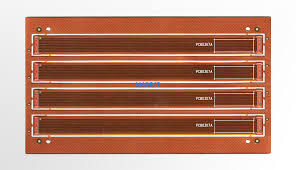
Flex circuits, also known as flexible printed circuits (FPCs), are specialized electronic interconnects that use flexible materials. These thin and lightweight conductive paths can bend and twist in ways that rigid boards cannot. They are ideal for a wide range of applications, from medical devices to consumer electronics.
The materials used to construct a flex circuit impact its functionality and performance, from the substrates to the adhesives to the conductors. Proper layer stacking and assembly processes are essential to the success of a flex circuit. In this article, we will discuss the importance of a flex circuit’s electrical insulation and how to choose the best materials for your application.
What is a flex circuit’s electrical insulation?
In multilayer flex circuits, the insulating layers between copper conductors protect them from damage and degradation. These insulating layers, which can be made of polyimide, epoxy, or other dielectrics, help prevent short circuits and interference between conductors and ensure a safe electrical environment. The thickness and quality of these insulating layers significantly affect a circuit’s strength, flexibility, and resistance to environmental degradation.
A flex circuit’s conductors are the pathways that carry electricity throughout the system. They are typically made of copper, though other metals such as aluminum may be used. The conductors are bonded to the substrate using adhesives that vary depending on the needs of the application.
The insulating materials that separate the conductors in a flex circuit are often called “coverlayers”. These coverlayers provide structural support for the circuit and help to improve its thermal characteristics. They can be made of a variety of materials, such as solder mask, polyester, or polyethylene naphthalene (PEN). They are bonded to the coverlayers with either an acrylic adhesive or pressure sensitive adhesives (PSAs).
The stiffeners used in multilayer flex circuits provide rigidity and stability to the conductive layers. They are bonded to the conductive layers with an acrylic adhesive and help to reduce delamination, resin recession, and z-axis expansion defects during processing and aging.
One of the essential considerations in adhesive selection for flex circuits is thermal management. In many electronic applications, heat is a significant factor due to the operation of components or environmental conditions. The adhesive must have high thermal resistance to avoid degradation or failure, which could lead to delamination or loss of electrical connectivity.
The wide array of stock and custom connectors available for flex circuits allows them to be connected to other components in both rigid and flexible formats. They can be used to interface with traditional rigid boards and eliminate the tall and bulky connectors that ribbon cables require, or they can be incorporated into the rigid board itself to make it more compact. In addition, flex circuits can be bent many times during installation and servicing without causing electrical failure. This increases system reliability and eliminates point-to-point wire replacement, making flex circuits the superior choice for high-reliability applications.