
Look for Managed Security Service
Keeping an enterprise’s software and operating systems up to date can significantly reduce the likelihood of a breach. It’s also a critical part of complying with various data protection and privacy regulations. But patching is a time-consuming and resource-intensive process that requires specialized skills to manage effectively. And that’s why companies of all sizes turn to managed security service provider for help addressing this cybersecurity need.
As the threat landscape continues to evolve and grow more sophisticated, a trusted MSSP can be a valuable partner for an enterprise in mitigating cyber risk and advancing its maturity. MSSPs provide the remote oversight functions and adeptness that allow organizations to streamline patch management operations, overcoming many common challenges.
You’ll be working closely with your MSSP, so you need to select one that you trust and can work with in the long run. You want a company that values constant communication and can demonstrate a proactive approach to protecting your organization’s data. A trustworthy MSSP will have a deep understanding of your business, and they’ll be forward-thinking in sharing guidance and insights on how to mitigate emerging risks to your environment.
An efficient and effective patching process reduces vulnerability exposure and prevents costly breaches that tarnish a company’s reputation. But there’s no point in deploying patches as they’re released if there’s no way to verify that the patch will be applied properly and without damaging existing software or operating systems.
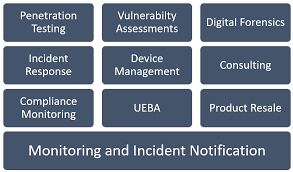
What to Look for in a Managed Security Service
A good MSSP will keep abreast of new patch announcements and guarantee that these upgrades are applied to a customer’s environment in a timely fashion, eliminating many of the problems that can make the process more difficult. This includes identifying patch dependencies (a situation where a certain patch or piece of software requires another patch to function properly) and testing the application of new patches to ensure that they can be deployed without causing disruptions.
A trustworthy managed security service provider will also have processes in place for documenting updates and ensuring that patch management activities are aligned with regulatory requirements. They’ll support their customers in maintaining compliance by avoiding breaches that may result in financial penalties or loss of reputation, and by limiting the impact of a data breach on staff productivity.
Firewalls are essential for protecting networks from unauthorized access, and MSSPs often manage the configuration, monitoring, and optimization of firewalls. They ensure that firewall rules are properly configured, updated, and aligned with best security practices. Additionally, they can perform regular firewall audits to identify vulnerabilities and help organizations maintain a strong defense against external threats.
MSSPs conduct regular vulnerability assessments and scans to identify potential weaknesses in an organization’s infrastructure. These vulnerabilities could be in software, hardware, or configurations, and if left unaddressed, could be exploited by cybercriminals. Once vulnerabilities are identified, MSSPs assist in patch management and provide guidance on mitigating risks. This proactive approach ensures that organizations remain one step ahead of attackers.


